
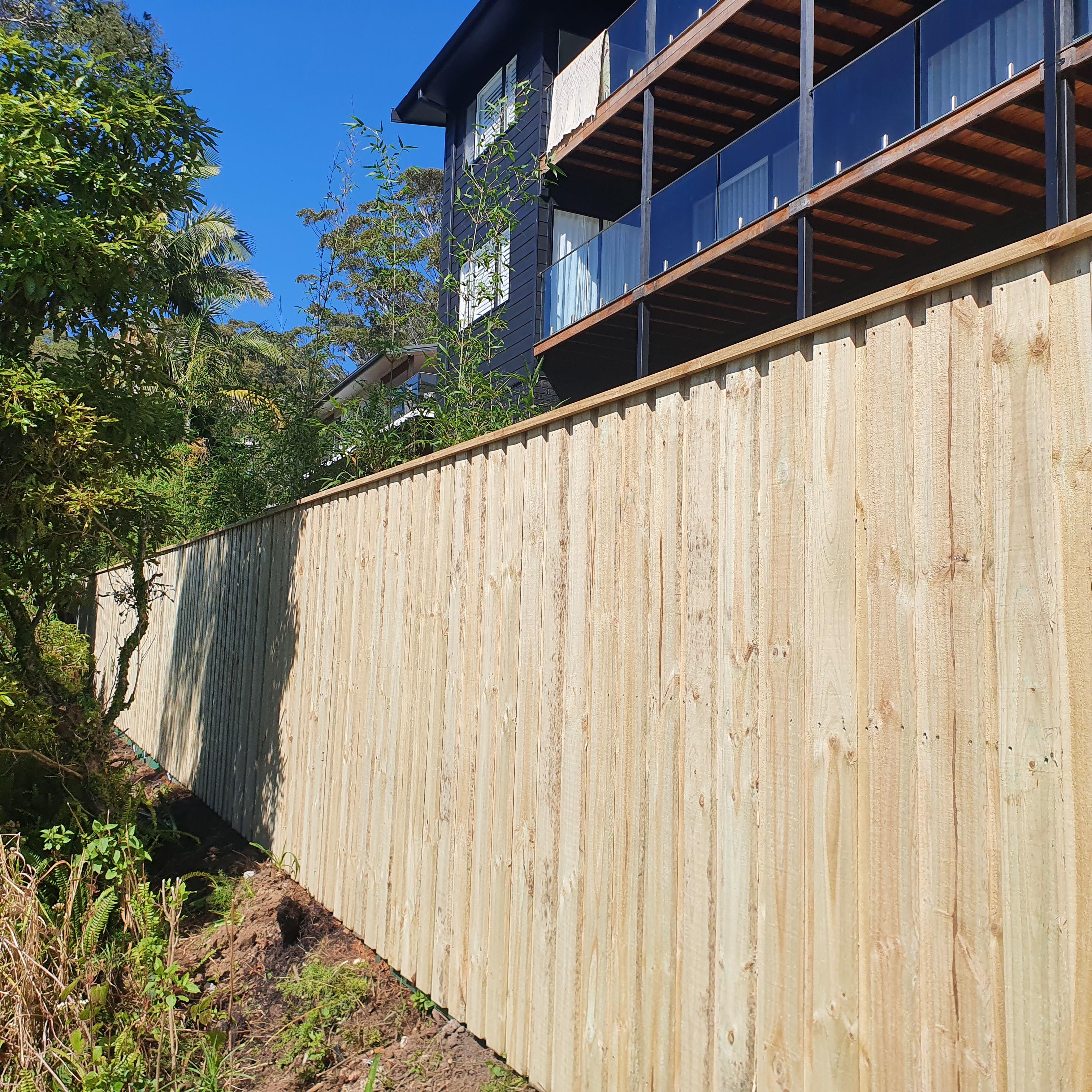
Selecting the right materials for your boundary fencing is essential for durability, style, and long-term satisfaction. With numerous options available, it’s important to understand the characteristics and benefits of different materials. To help you make an informed decision, let’s compare the three most popular fencing materials: treated pine, steel and aluminium, and hardwood, as well as the two common post materials: timber and steel.
Treated pine fencing: cost-effective and versatile
Treated pine is a popular choice for boundary fencing due to its affordability and versatility. The wood undergoes a chemical treatment process, making it resistant to decay, rot, and insect damage. Treated pine fencing is readily available and can be stained or painted to match your desired aesthetic. While it may not offer the same natural beauty as hardwood, treated pine provides a cost-effective option that is durable and requires minimal maintenance.
Steel and aluminium fencing: low maintenance and modern appeal
Steel and aluminium fencing (e.g. Colorbond) has gained popularity in recent years due to its sleek and modern appearance. Steel and aluminium fencing is available pre-painted in a range of colors to complement any property. It requires minimal maintenance, as it is resistant to rust, fading, and warping. While steel and aluminum fencing provides excellent privacy and security and offers a contemporary and seamless look for your boundary, it may be less suitable for areas prone to high winds or impacts due to its lighter weight and potential for denting.
Hardwood fencing: natural beauty and longevity
If you seek natural beauty and longevity, hardwood fencing is an excellent choice. Hardwoods like Spotted Gum, Merbau, or Blackbutt are renowned for their strength, durability, and aesthetic appeal. Hardwood fences are naturally resistant to decay and insect damage, ensuring a long lifespan. With proper maintenance, such as regular staining or oiling, hardwood fencing can maintain its elegance and withstand the elements for many years. Hardwood fencing does come with a higher upfront cost compared to other materials though, so it may not be suitable for some budget-conscious homeowners.
Timber posts: traditional charm and flexibility
Timber posts offer a classic and rustic charm that complements various fencing styles. They can be used with both treated pine and hardwood fencing. Timber posts are relatively easy to work with, allowing for flexibility during installation and repairs. However, timber posts may require periodic maintenance to prevent rot and prolong their lifespan. Regular inspection and treatment with preservatives or sealants are recommended to ensure their durability.
Steel posts: strength and stability
Steel posts provide exceptional strength and stability for your boundary fencing. They offer superior resistance to warping, rotting, and termite damage compared to timber posts. Steel posts are durable and long-lasting, requiring minimal maintenance. While steel posts may have a higher upfront cost, their longevity and structural integrity make them a reliable choice.
When choosing materials for your boundary fencing, it’s important to consider factors such as cost, durability, maintenance, and aesthetic appeal. Treated pine offers affordability and versatility, aluminium provides low maintenance and modern appeal, and hardwood exudes natural beauty and longevity. Timber posts offer traditional charm and flexibility, while steel posts ensure strength and stability. Evaluate your specific needs, budget, and desired aesthetic to make an informed decision that suits your property. Consulting with carpentry and fencing professionals can provide valuable insights and guidance tailored to your specific requirements. Remember, regular maintenance and periodic inspections will help prolong the lifespan of your chosen materials, ensuring a functional and beautiful boundary fence for years to come.